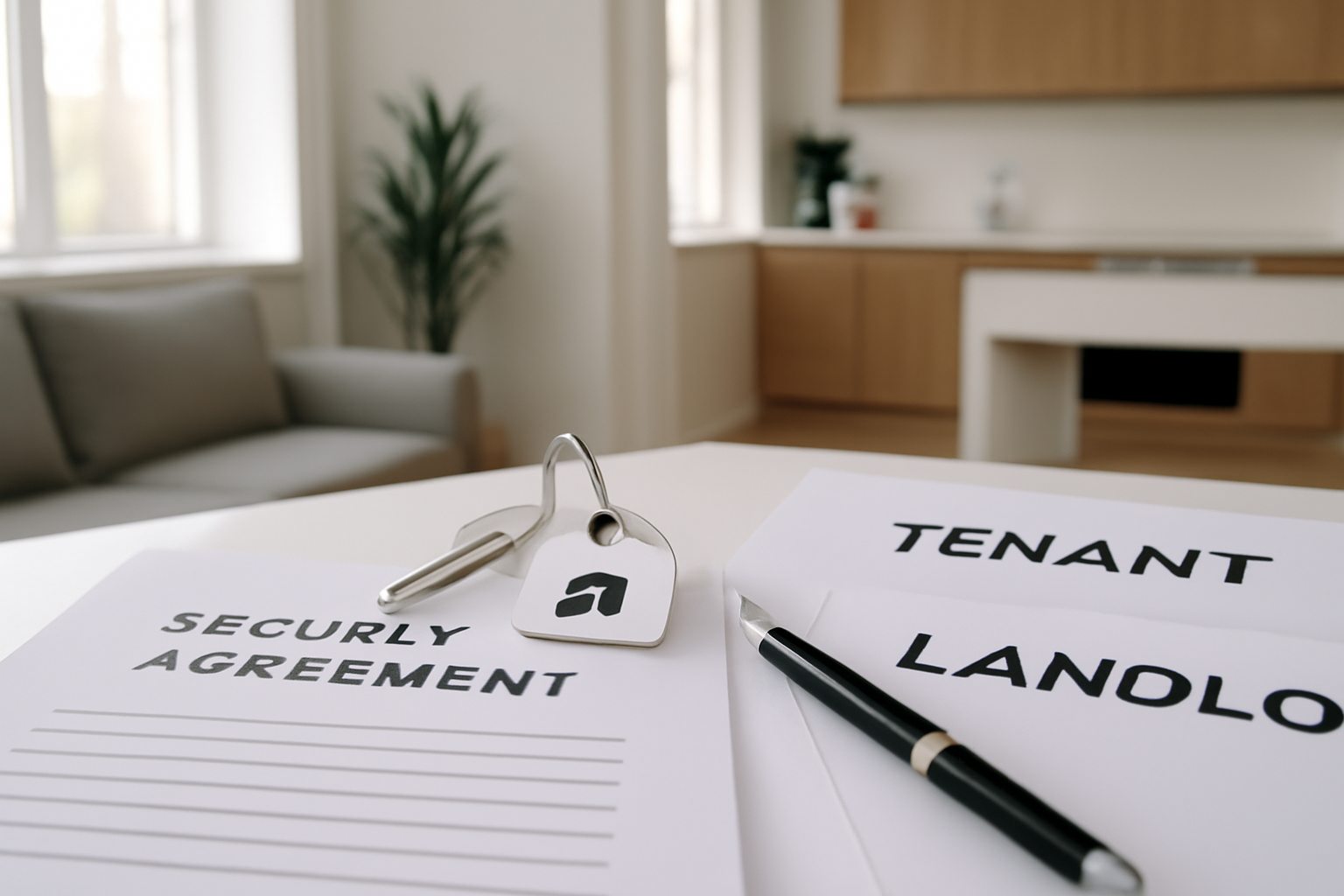
Security Deposit Rules in California: Caps, Timelines, and What Tenants Can Sue Over
California law at Civ. Code 1950.5 governs every aspect of security deposits, from the maximum amount you can collect to the deadline for returning funds after a tenant moves out. As of July 1, 2024, AB 12 reduced the deposit cap to one month's rent for unfurnished units, down from the prior two months. If you collect more than that ceiling, retain a deposit past the 21 day statutory window, or fail to provide an itemized statement, tenants can sue you in small claims court and recover up to twice the deposit amount in bad faith cases. The California Department of Consumer Affairs enforces tenant protections statewide, and local rent boards in cities like San Francisco, Oakland, Los Angeles, Santa Monica, and Berkeley layer on additional notice and filing requirements. This guide walks you through the numeric caps, return timelines, allowable deductions, and the small claims risks landlords face when they deviate from the statute.
The One Month Cap Under AB 12
Civ. Code 1950.5 now limits security deposits to one month's rent for unfurnished residential properties and two months' rent for furnished units. Before AB 12 took effect on July 1, 2024, landlords could charge up to two months for unfurnished and three months for furnished. If your lease predates that cutoff and you collected two months, you are grandfathered until the next renewal or new tenant. Once a new lease term begins on or after July 1, 2024, the one month ceiling applies. Pet deposits, key deposits, and last month's rent all count toward the one month total under Civ. Code 1950.5(c). You cannot circumvent the cap by labeling an extra payment as a cleaning fee or administrative charge. Courts treat any refundable payment as part of the security deposit for statutory purposes.
Furnished rentals in markets like San Francisco and Los Angeles still enjoy the two month cap because the legislature recognized higher turnover and wear. If you advertise a unit as furnished, document the furniture inventory with photographs and a signed addendum. Small claims judges scrutinize furnished claims when landlords charge the higher deposit but provide only minimal furniture.
The 21 Day Return Window and Itemized Statement
Civ. Code 1950.5(g) requires landlords to return the deposit or mail an itemized statement within 21 calendar days after the tenant surrenders the unit and provides a forwarding address. The clock starts on the day the tenant delivers all keys, remotes, and access devices and removes all personal property. If the 21st day falls on a weekend or holiday, California courts do not extend the deadline; you must mail the statement by the 21st calendar day. Miss that window and you forfeit your right to deduct anything, even for legitimate damages, under Civ. Code 1950.5(l).
The itemized statement must describe each deduction, provide the dollar amount, and include receipts or invoices for repairs exceeding 126 dollars, the 2026 threshold that adjusts annually for inflation under Civ. Code 1950.5(g)(4)(A). If you deduct 150 dollars for carpet replacement, attach the receipt. If you withhold 80 dollars for cleaning, a brief description suffices without a receipt. Courts interpret the receipt rule strictly; in Bay Area small claims cases, judges often award tenants the full deposit when landlords submit incomplete invoices or lump multiple repairs into a single line item without backup.
Mail the statement and any refund check to the forwarding address the tenant provided in writing. If the tenant never supplies a forwarding address, Civ. Code 1950.5(g)(1) still requires you to mail the statement within 21 days to the rental unit address. Keep proof of mailing by certified mail or certificate of mailing; a sworn declaration that you mailed the statement on day 20 will not overcome a tenant's testimony that nothing arrived.
Allowable Deductions: Damage Beyond Normal Wear
Civ. Code 1950.5(b) permits deductions only for unpaid rent, cleaning necessary to restore the unit to the same level of cleanliness it had at move in, and repair of damages beyond ordinary wear and tear. Normal wear includes faded paint, minor carpet wear in traffic paths, small nail holes from picture hanging, and worn window screens. You cannot deduct for these items. Damage means broken windows, large holes punched in drywall, pet stains that penetrate carpet padding, missing appliance knobs, or burns on countertops.
California courts apply a useful life analysis to carpets and paint. If carpet was eight years old when the tenant moved in and California's typical useful life is ten years, you can deduct only the pro rata cost for the remaining two years, not the full replacement price. The same logic applies to interior paint, which courts often peg at three to five years. Document the condition at move in with time stamped photographs and a signed inspection checklist. Without that proof, small claims judges default to the tenant's version of pre existing conditions.
Small Claims Exposure: Bad Faith Penalties
Civ. Code 1950.5(l) allows tenants to sue in small claims court for the amount wrongfully withheld. If the court finds you acted in bad faith by inventing bogus deductions or ignoring the 21 day deadline, the judge may award up to twice the deposit amount as statutory damages. Small claims jurisdiction in California extends to 12,500 dollars as of 2026, covering even high rent Bay Area deposits. Tenants do not need an attorney; the process is designed for self representation.
Bad faith includes retaining a deposit when you know the tenant caused no damage, fabricating invoices, or refusing to provide an itemized statement after repeated requests. Good faith mistakes, such as mailing the statement on day 22 because you miscounted the calendar, typically do not trigger the doubling penalty, but you still forfeit your right to withhold any amount. The safest practice is to calendar the move out date, add 21 days, and aim to mail by day 18 to avoid postal delays.
Local Rent Board Overlay: San Francisco, Oakland, LA
San Francisco Rent Ordinance sections do not change the state deposit cap or 21 day rule, but they do require landlords to file annual registration statements and may impose interest on deposits held longer than one year. Oakland Municipal Code chapter 8.22 similarly mandates interest accrual. Los Angeles Rent Stabilization Ordinance applies only to buildings built before October 1, 1978, and does not alter Civ. Code 1950.5 timelines, but local rent boards often provide mediation services that tenants use before filing small claims. Berkeley and Santa Monica have parallel frameworks. Always check whether your property falls under a local rent control jurisdiction; those cities post lookup tools online.
Move Out Walk Through Rights
Civ. Code 1950.5(f) grants tenants the right to request an initial inspection no earlier than two weeks before the lease ends. You must provide at least 48 hours' written notice of the inspection date and allow the tenant to be present. At that walk through, you identify deficiencies the tenant can cure before move out to avoid deposit deductions. After the inspection, give the tenant an itemized list of damages and cleaning issues. The tenant has the remaining days on the lease to fix those items. If they do, you cannot deduct for them at the final accounting. Many landlords skip this step because it feels optional, but offering the walk through builds goodwill and reduces disputes. Tenants who decline the inspection or do not request one forfeit no rights; the walk through is an opportunity, not an obligation.
Interest on Deposits: When It Applies
Civ. Code 1950.5(g)(2) requires landlords to pay interest on deposits held for residential rentals of six months or longer only if the property contains six or more units. If you own a four unit building or a single family home, you do not owe interest. If you own a 12 unit apartment complex, you must place deposits in an interest bearing account and pay the tenant interest annually or credit it against rent. The statute does not specify an interest rate; market rates apply. Track accrued interest in your accounting ledger and include it in the final refund or itemized statement.
Common Pitfalls and How Manorway Rentals Helps
Landlords stumble when they lose track of the 21 day clock, fail to photograph pre existing damage, or combine multiple deductions into vague line items. Another trap is deducting for carpet replacement without adjusting for remaining useful life. In LA County and the Central Valley, where single family landlords manage one to five doors, recordkeeping often defaults to email threads and paper receipts in a shoebox. When a tenant files a small claims suit 18 months later, reconstructing the timeline and finding the invoices becomes a scramble.
Manorway Rentals' AI assisted lease and deposit tracking automates the 21 day countdown, stores move in and move out photos with time stamps, and generates itemized statements that include receipt links for every deduction over the statutory threshold. You upload an invoice once; the system attaches it to the correct line item. Before you mail the statement, the platform flags missing receipts, calculates pro rated useful life for carpets and paint, and confirms the refund amount does not exceed allowable deductions under Civ. Code 1950.5. For California landlords managing Bay Area tech rentals or Central Valley properties, that automation closes the gap between knowing the law and executing it under deadline pressure.
What to Do Next
Review every active lease to confirm your deposit amount does not exceed one month's rent for unfurnished units or two months for furnished. If you collected more under a pre AB 12 lease, plan to refund the excess at the next renewal or return it when the tenant vacates. Set a calendar reminder 19 days before the 21 day deadline for every tenant who gives notice. Take time stamped photographs at move in and move out, and store them in a secure digital folder labeled by tenant name and date. Draft your itemized statement using line items from actual invoices, not round number estimates. If you withhold more than 126 dollars for any single repair, attach the receipt.
Consult an attorney for your specific situation if a tenant disputes your deductions or threatens a bad faith claim. California small claims moves quickly, and you will need your documentation organized before the hearing date.
Manorway Rentals gives you a single dashboard to manage deposits from lease signing through final refund, ensuring you stay within the one month cap, meet the 21 day window, and generate compliant itemized statements under Civ. Code 1950.5. Sign up today and let AI assisted workflows handle the statutory details while you focus on filling vacancies and maintaining your properties.