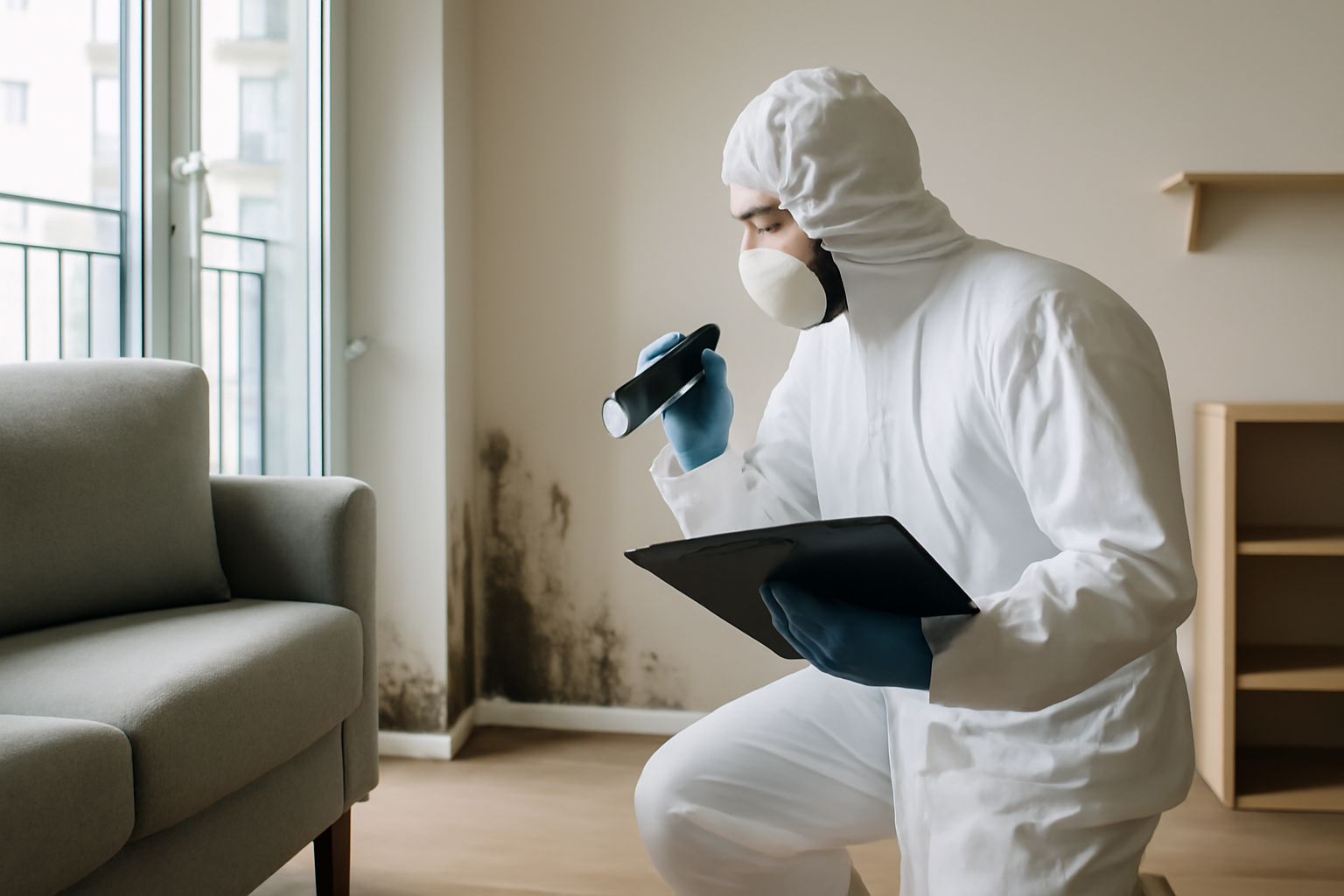
Mold, Asbestos, and Lead in Pennsylvania: Your Disclosure and Cleanup Obligations
Pennsylvania law does not mandate specific disclosure or remediation protocols for mold or asbestos in residential rentals. Instead, landlords operate under the common law implied warranty of habitability and federal lead based paint disclosure rules for pre 1978 properties. The Pennsylvania Attorney General Bureau of Consumer Protection and local health departments enforce consumer protection statutes and sanitary codes, so understanding your obligations prevents fines, lease termination claims, and tenant lawsuits.
Lead Paint Disclosure
Federal law requires every landlord renting a unit built before 1978 to provide the EPA pamphlet Protect Your Family from Lead in Your Home, attach a lead disclosure form to the lease, and allow ten days for an inspection before signing. Pennsylvania courts uphold these rules strictly. Failure to comply can trigger a $16,000 civil penalty per violation and give tenants grounds to terminate the lease or sue for damages.
You must disclose known lead hazards in writing. If you have test results showing elevated lead levels, share them. If you have no knowledge of lead paint, state that clearly on the disclosure form. Keep signed acknowledgments in your file for three years.
Mold Obligations
Pennsylvania courts interpret the implied warranty of habitability to cover substantial mold growth that affects tenant health or safety. You are not required to disclose mold history before leasing, but once a tenant reports visible growth or moisture intrusion, you must investigate and remediate within a reasonable time, typically 7 to 14 days depending on severity.
Document every complaint in writing. Hire a licensed mold assessor if the affected area exceeds ten square feet or if the tenant reports respiratory symptoms. Small surface mold on bathroom tile can often be cleaned with household products. Persistent growth behind drywall, under flooring, or in HVAC ducts requires professional removal. Pennsylvania code enforcement officers may issue notices to repair if neighbors complain or conditions deteriorate.
Asbestos Considerations
Asbestos insulation, floor tiles, and pipe wrap were common in buildings constructed before 1980. Pennsylvania does not require landlords to test for asbestos or disclose its presence unless you plan renovation work that will disturb more than three square feet of material. Under EPA rules, any demolition or remodeling that releases asbestos fibers requires a certified abatement contractor.
If a tenant suspects asbestos and you have no documentation, hire an accredited inspector to sample suspect materials. Do not attempt removal yourself. Disturbing friable asbestos can expose you to EPA fines starting at $25,000 per day and tenant personal injury claims.
What Landlords Should Do Next
- Lead: Deliver the EPA pamphlet and signed disclosure to every new tenant in a pre 1978 unit. Store acknowledgments for three years.
- Mold: Respond to moisture complaints within 48 hours. Document inspections and remediation steps in writing. Fix leaks immediately.
- Asbestos: If you plan renovation, test suspect materials before starting work. Use only licensed contractors for removal.
- General: Include a lease clause requiring tenants to report water intrusion, leaks, and visible mold within 24 hours. This creates a paper trail and limits liability.
Consult an attorney for your specific situation if a tenant threatens legal action or if you discover widespread contamination.
Manage Compliance with Manorway Rentals
Manorway Rentals tracks maintenance requests, stores lease documents, and sends automated reminders for lead disclosure deadlines. Our AI assisted platform helps you document every complaint, schedule vendor appointments, and maintain the paper trail Pennsylvania courts expect. Visit Manorway Rentals today to simplify environmental hazard compliance and protect your portfolio.