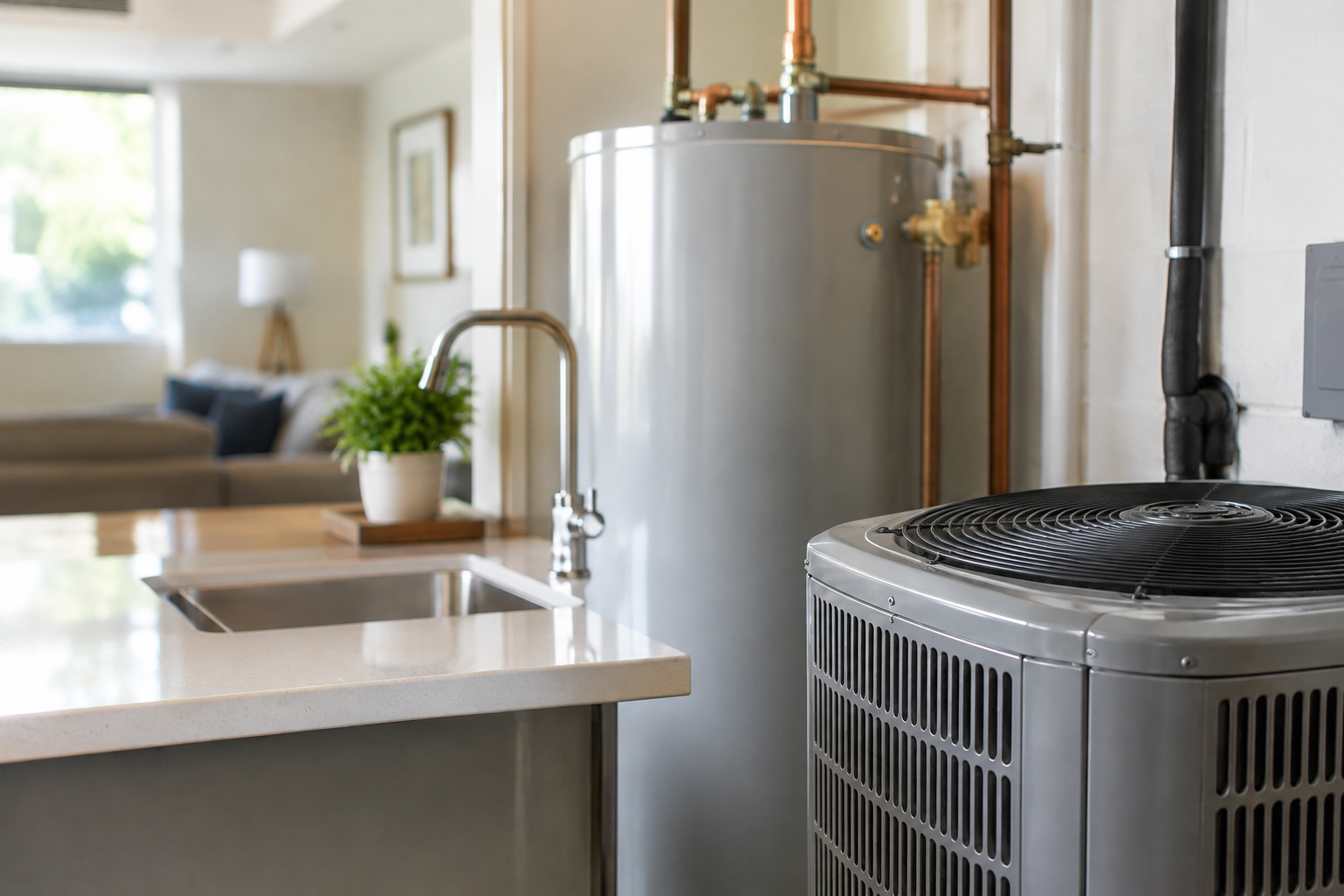
Massachusetts Heat, Hot Water, and Refrigeration: The Bare Minimum Standards
Massachusetts enforces some of the strictest habitability standards in the country. Under M.G.L. c. 111 s. 127A and the State Sanitary Code, you must provide heat to 68°F during the day and night, hot water at 110°F minimum, and working refrigeration year round. Failure to meet these standards gives tenants the right to withhold rent, repair and deduct, or file complaints with local boards of health. This checklist ensures you meet the bare minimum.
Heat Requirements: 68°F Day and Night
Massachusetts requires heat between September 15 and June 15 each year. Your heating system must maintain 68°F from 7:00 a.m. to 11:00 p.m. and 64°F overnight in all habitable rooms when the outdoor temperature falls below 64°F during the day or 60°F at night.
The State Sanitary Code enforced by local boards of health treats anything below these thresholds as a serious code violation. Boston Inspectional Services and Cambridge Inspectional Services issue fines starting at $300 per day for heating failures. In Western Massachusetts smaller markets, tenant complaints typically go to the local board of health first, then escalate to Massachusetts Housing Court if unresolved.
Your checklist:
- Schedule annual heating system inspection before September 15
- Keep maintenance records for at least two years
- Respond to tenant heat complaints within 24 hours
- Post emergency heating contractor contact information in common areas
- Test thermostats in all units at turnover
Hot Water: 110°F Minimum Year Round
You must provide hot water at a minimum temperature of 110°F at all times. The State Sanitary Code does not allow seasonal variation or reduced hot water standards. Tenants in Boston and Cambridge student rentals frequently test hot water temperature with digital thermometers, and readings below 110°F generate immediate complaints.
Massachusetts Housing Court has held that even brief hot water outages exceeding 24 hours constitute a breach of the warranty of habitability under M.G.L. c. 239 s. 1A. In Cape Cod seasonal markets, landlords face particular scrutiny during shoulder seasons when vacation properties transition to year round rentals.
Your checklist:
- Set water heaters to deliver 110°F to 120°F at the tap
- Install mixing valves if water heater temperature exceeds 120°F
- Keep hot water heater maintenance logs
- Provide 24 hour emergency plumber contact to all tenants
- Replace aging water heaters before failure, typically at 10 to 12 years
Refrigeration: Working Appliance Required
The State Sanitary Code requires a working refrigerator in every dwelling unit. You must provide a refrigerator that maintains food at 40°F or below. Broken refrigerators must be repaired or replaced within 24 hours to avoid habitability violations.
In the biotech corridor around Cambridge and Boston, young professionals expect modern, energy efficient appliances. While the law does not specify age or efficiency standards, extremely old refrigerators that cycle frequently or fail to maintain consistent temperature generate repair calls and complaints. Local boards of health in these high demand markets respond quickly to tenant refrigeration complaints.
Your checklist:
- Test refrigerator temperature at every turnover with an appliance thermometer
- Replace refrigerators older than 15 years proactively
- Keep appliance purchase receipts and warranty information
- Respond to tenant refrigeration complaints same day
- Maintain a relationship with an appliance repair contractor for emergency calls
Enforcement and Tenant Rights
The Massachusetts Attorney General Consumer Advocacy division publishes detailed guidance on habitability standards. Tenants who lack heat, hot water, or working refrigeration may withhold rent under M.G.L. c. 239 s. 1A, hire contractors and deduct costs from rent under M.G.L. c. 111 s. 127A, or file complaints with the local board of health.
Massachusetts Housing Court enforces these standards strictly. Judges routinely award rent abatements of 25% to 50% for heating failures lasting more than a few days. Triple damages under M.G.L. c. 186 s. 14 apply if you retaliate against tenants who complain about essential service failures.
What You Should Do Next
Schedule fall heating system inspections now if you have not completed them. Test hot water temperature and refrigerator performance in every unit. Document all maintenance with dated invoices and photographs. Keep emergency contractor contact information current and share it with tenants.
Consult an attorney for your specific situation if you face a tenant complaint about heat, hot water, or refrigeration. Massachusetts law favors tenants heavily in habitability disputes, and early legal advice prevents costly mistakes.
Manorway Rentals helps Massachusetts landlords track maintenance schedules, document repairs, and stay ahead of State Sanitary Code requirements. Our AI assisted platform sends reminders for seasonal heating checks and keeps your essential services compliance in one place.