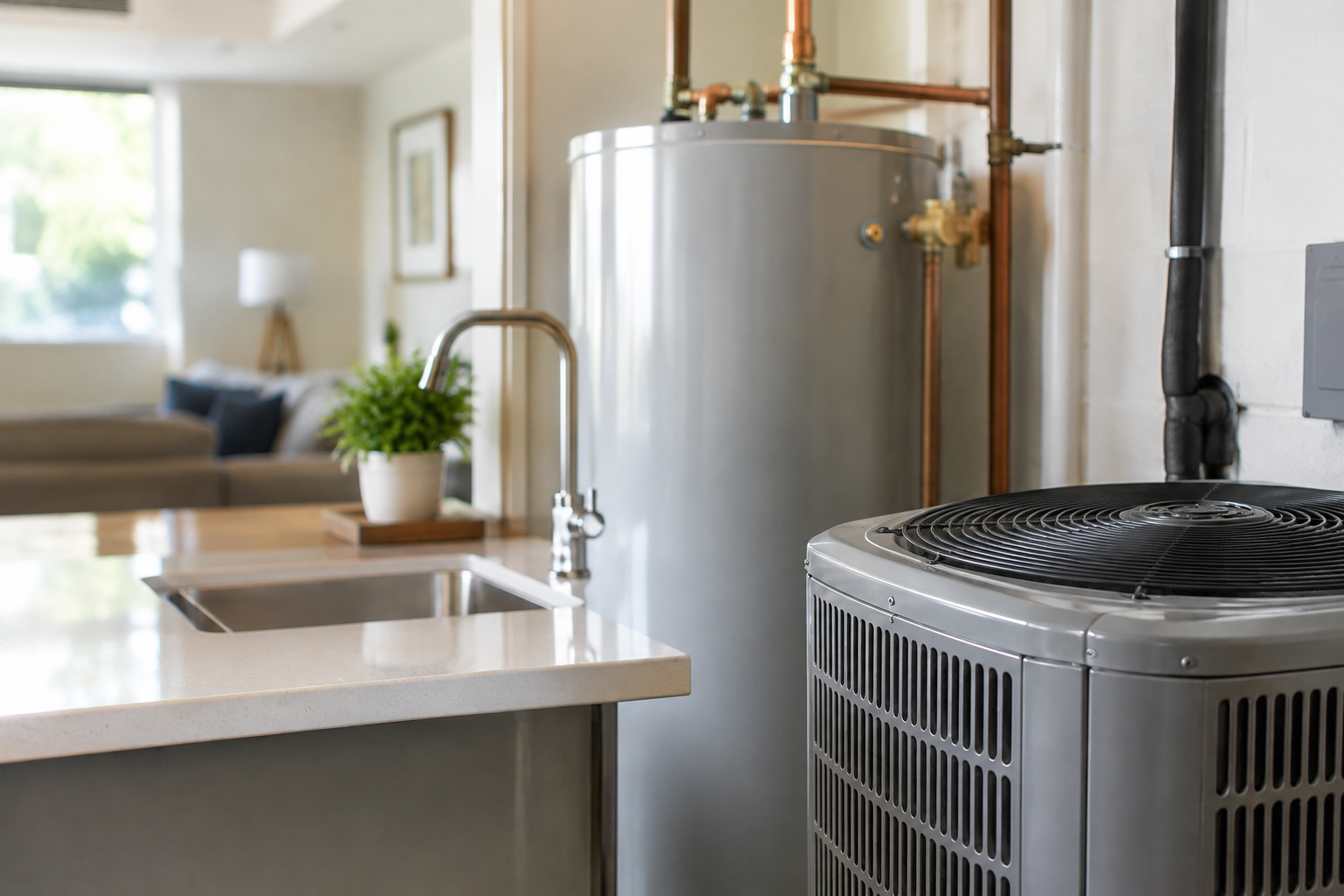
Michigan Heat, Hot Water, and Refrigeration Requirements: What Landlords Must Provide in 2026
Michigan does not have a single statute specifying exact temperatures for heat or hot water in rental housing. Instead, landlords must meet habitability standards enforced through common law and local housing codes, with the Michigan Attorney General Consumer Protection division overseeing consumer complaints. Your lease and local ordinances create the framework for what you must provide.
What Michigan Law Requires for Essential Services
Michigan common law requires landlords to maintain premises in a fit and habitable condition. This includes providing adequate heat during cold months, functioning plumbing with hot and cold water, and working appliances you agreed to supply in the lease. Courts have consistently ruled that failure to provide these essentials constitutes a breach of the implied warranty of habitability.
While no statewide temperature minimum exists, most local codes adopt standards between 68 and 70 degrees Fahrenheit during winter months. Detroit requires 68 degrees from September through May. Grand Rapids enforces similar minimums. Ann Arbor housing codes specify 68 degrees between 6:30 AM and 10:30 PM when outdoor temperatures fall below 55 degrees.
Hot water must be available at all times. Local codes typically require temperatures between 110 and 120 degrees Fahrenheit at fixtures. Water below 100 degrees often fails inspection standards.
Refrigeration and Appliance Standards
If your lease includes a refrigerator, you must maintain it in working condition. Michigan courts treat promised appliances as part of the habitability covenant. A broken refrigerator affecting food safety can support a rent withholding claim or lease termination.
The same applies to stoves, dishwashers, and other appliances listed in your lease. Document what you provide in writing. Photograph appliances at move in. Keep maintenance records.
Who Enforces These Requirements
The Michigan Attorney General Consumer Protection division handles landlord tenant disputes involving deceptive practices. Local building departments conduct inspections and issue violation notices. District courts hear habitability cases when tenants withhold rent or sue for breach.
Tenants can report code violations to local inspectors. Inspectors have authority to enter units with notice, cite violations, and order repairs. Failure to comply can result in fines, court orders, or in extreme cases, building closure.
What Happens When You Fall Short
Tenants have several remedies when you fail to provide heat, hot water, or working appliances. They can withhold rent equal to the reduced value of the unit. They can repair and deduct if you do not respond to written notice within reasonable time. They can terminate the lease and move out without penalty.
Michigan courts calculate rent reduction based on the severity and duration of the problem. No heat in January typically justifies 50 to 100 percent rent reduction for affected days. No hot water for a week might support 20 to 30 percent reduction. A broken refrigerator could justify 15 to 25 percent depending on circumstances.
Emergency Response Standards
You must respond to heating failures immediately during winter months. Courts view delays beyond 24 hours during freezing weather as unreasonable. Hot water failures require repair within 48 to 72 hours in most jurisdictions. Appliance repairs can wait longer but should occur within 7 to 14 days.
Keep contact information for emergency repair services. Document your response time. Provide temporary solutions like space heaters if furnace repair takes longer than one day. Save receipts for emergency repairs.
Lease Language and Service Standards
Your lease should state exactly what utilities and appliances you provide. Specify whether you pay for heat or the tenant does. List all appliances by type and location. Include your emergency contact information.
Avoid vague terms like "landlord will maintain in good condition." Use specific language: "Landlord will maintain heating system to provide minimum 68 degrees Fahrenheit in all habitable rooms when outdoor temperature falls below 55 degrees."
What You Should Do Now
Inspect heating systems before October each year. Test hot water heaters quarterly. Check appliances at turnover and document condition. Keep maintenance logs for every unit.
Respond to tenant complaints about heat, hot water, or appliances in writing within 24 hours. State when you will inspect and when you expect to complete repairs. Follow up after repairs to confirm resolution.
Budget for emergency repairs during winter months. A failed furnace in January can cost 2,000 to 5,000 dollars for emergency replacement. Having funds available prevents delays that expose you to liability.
Consult an attorney for your specific situation if a tenant withholds rent or threatens legal action over essential services.
Manorway Rentals: Track Every Maintenance Request
Manorway Rentals helps you document tenant requests and your response times with AI assisted tools. Log every complaint about heat, hot water, or appliances. Track repair progress automatically. Generate maintenance histories for each unit. When a tenant claims you ignored their broken furnace, you will have timestamped records showing your 6 hour response time and same day repair. Visit Manorway Rentals to protect yourself with better documentation.