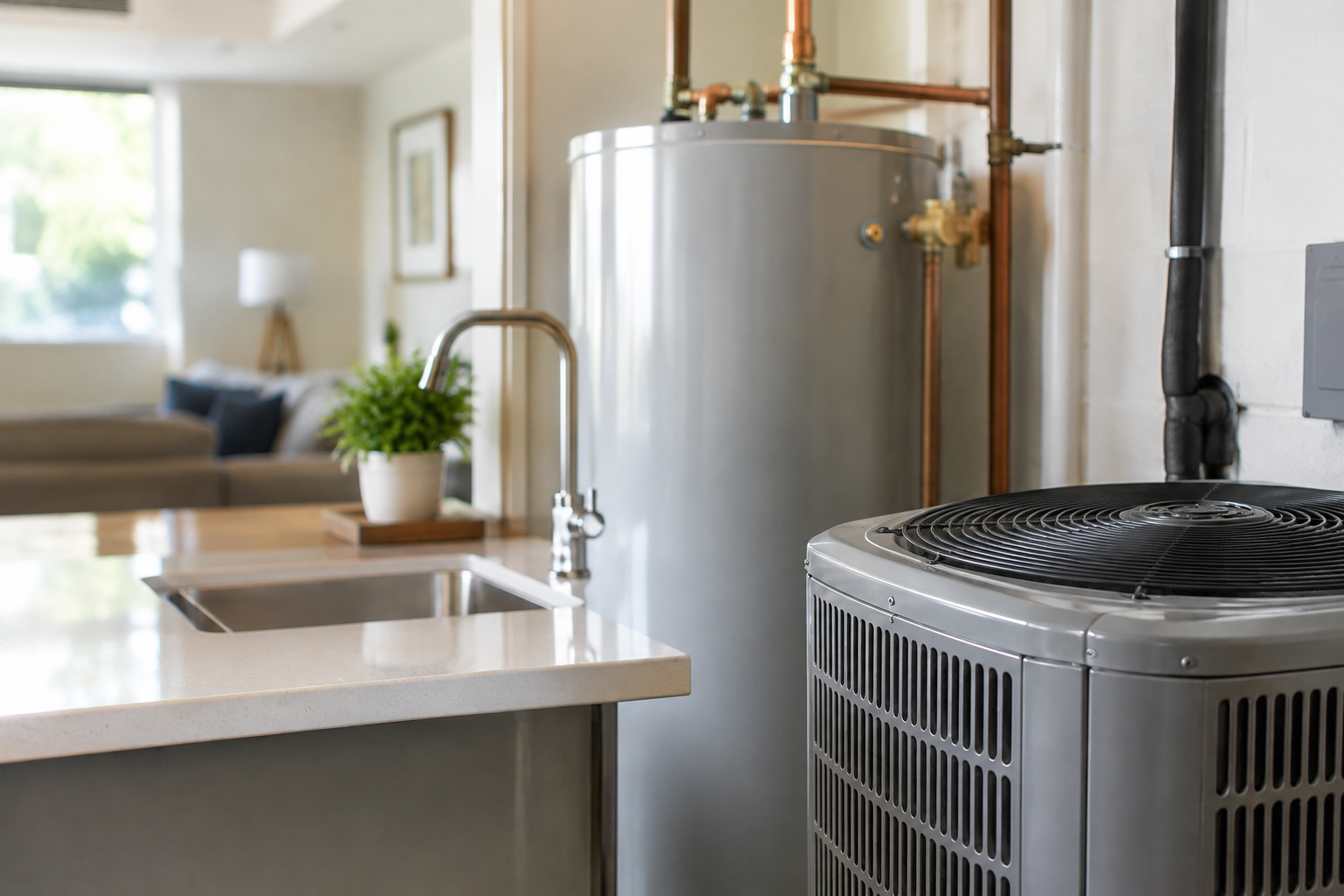
Missouri Heat, Hot Water, and Refrigeration: Common Mistakes Landlords Make
Missouri has no statewide statute setting exact temperature requirements for heat, hot water, or refrigeration in rental units. Many landlords assume this means they have no obligation to provide these services. That assumption leads to tenant disputes, housing code violations, and expensive legal battles.
The Missouri Attorney General Consumer Protection division fields complaints about uninhabitable conditions, and local housing authorities enforce municipal codes that often exceed what state law requires. Your lease agreement and local ordinances create enforceable duties even when state statutes stay silent.
Mistake One: Assuming No State Law Means No Obligation
Missouri courts recognize an implied warranty of habitability. Your rental must be fit for human habitation. Heat in winter, functioning hot water, and a working refrigerator in units where you promised one all fall under this warranty. Tenants can withhold rent, repair and deduct, or terminate the lease if you fail to maintain essential services.
You cannot waive habitability through your lease. Even if your tenant signs a document saying they accept a unit with no heat, Missouri courts will not enforce that waiver.
Mistake Two: Ignoring Local Codes
Kansas City and St. Louis have detailed property maintenance codes. Kansas City requires heating systems capable of maintaining 68 degrees Fahrenheit in all habitable rooms when outdoor temperature drops to 10 degrees. St. Louis mandates hot water at 110 degrees minimum. Springfield and Columbia have similar local requirements.
Many small landlords focus only on state statutes and miss the city ordinances that actually govern their properties. Check your municipal code before you draft your lease.
Mistake Three: Delaying Repairs Past Reasonable Timeframes
When your heating system fails in January, you have 24 to 48 hours to restore service or provide temporary heat. Missouri courts consider emergency repairs urgent. A tenant who goes three days without heat in freezing weather has grounds to break the lease or hire a contractor and deduct the cost from rent.
The same principle applies to hot water and refrigeration. If your tenant stores medication that requires refrigeration, a broken fridge becomes an emergency. Document every repair request, respond in writing, and act within one business day for essential services.
Mistake Four: Providing Inadequate Temporary Solutions
Space heaters are not a substitute for a functioning furnace. Boiling water on the stove is not a replacement for hot water service. Coolers with ice are not equivalent to a working refrigerator. Missouri courts look at whether your temporary fix actually makes the unit habitable.
If you cannot complete a permanent repair within 48 hours, offer a hotel room or prorated rent reduction. Document your offer in writing.
What You Should Do Next
Review your lease to confirm it lists heat, hot water, and refrigeration as landlord responsibilities. Inspect these systems twice per year. Respond to repair requests within 24 hours for essential services. Keep a licensed HVAC contractor and plumber on call during winter months.
Consult an attorney for your specific situation, especially if a tenant has already complained or withheld rent.
Manorway Rentals helps landlords track maintenance requests, document repair timelines, and stay compliant with local codes. Our AI assisted platform sends automatic reminders when seasonal inspections are due and flags emergency repair requests so you never miss a critical deadline. Visit Manorway Rentals today to protect your properties and avoid costly habitability disputes.