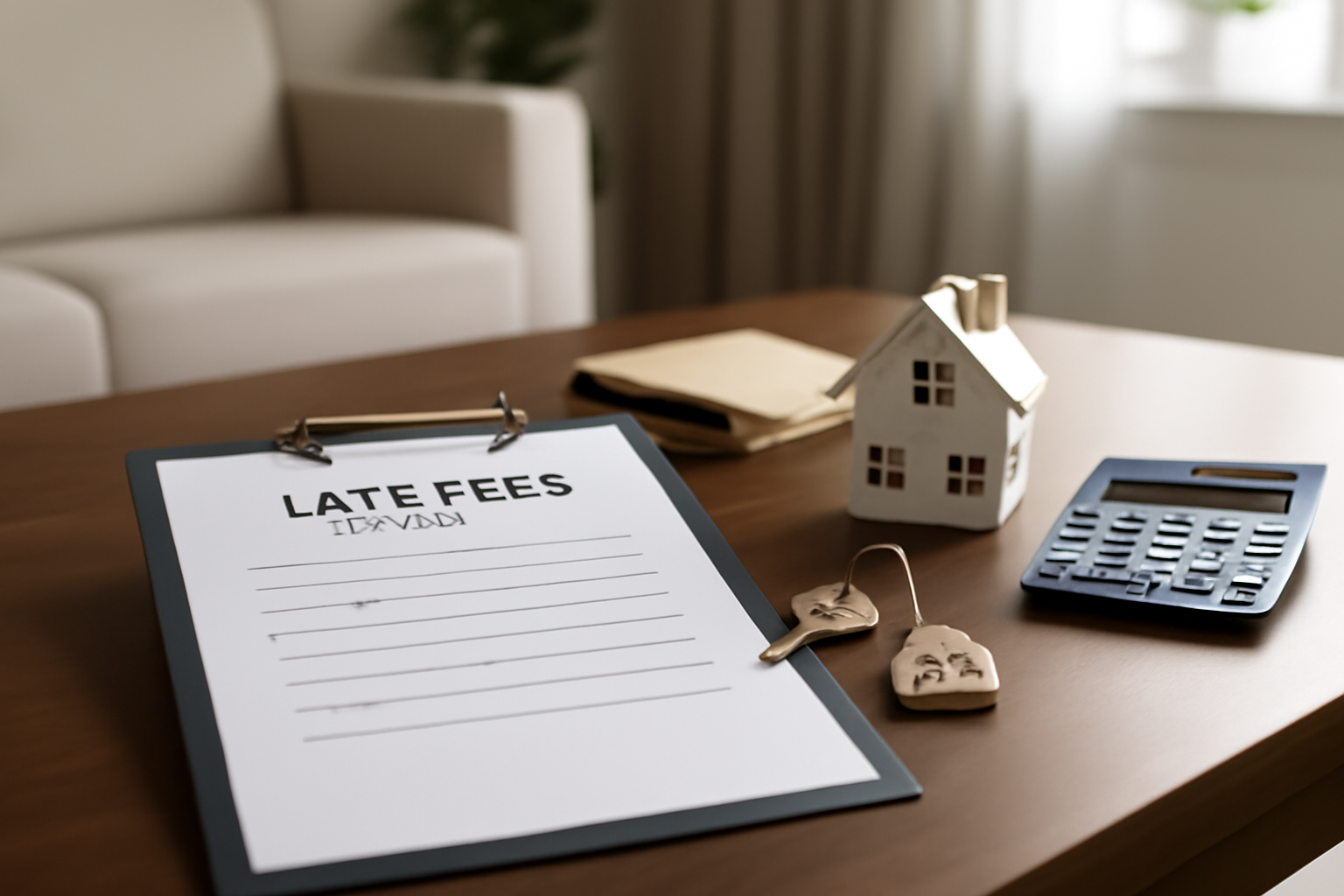
South Dakota Late Fee Caps: The Common Mistakes Landlords Make (and How to Avoid Them)
South Dakota has no statute that sets a specific dollar amount or percentage cap on late fees. The South Dakota Attorney General Consumer Protection division confirms that lease terms govern late charges, but courts apply a reasonableness standard rooted in contract law. If your late fee looks like a penalty rather than compensation for administrative costs, a tenant can challenge it and judges often side with tenants when fees exceed 5 to 10 percent of monthly rent.
Mistake One: Charging More Than 10 Percent of Rent
Without a statutory ceiling, many landlords assume they can charge 15 or 20 percent late fees. South Dakota courts evaluate whether a fee is a genuine pre estimate of damages or a punitive measure. A 15 percent late fee on a 900 dollar rent (135 dollars) will draw scrutiny because the landlord's actual costs from a late payment are minimal. Industry practice across South Dakota hovers around 5 percent, and anything above 10 percent invites a small claims counterclaim.
Mistake Two: Imposing Fees Without Lease Language
You must write your late fee structure into the lease. Oral agreements about late charges are unenforceable in South Dakota. Your lease should state the dollar amount or percentage, the grace period before the fee applies, and whether the fee is per day or a flat charge. If your lease is silent, you cannot tack on a late fee after the fact.
Mistake Three: Applying Fees During the Grace Period
Rent is due on the date your lease specifies. If your lease says rent is due on the first with a five day grace period, you cannot charge a late fee until the sixth. Some landlords incorrectly assess fees on the second or third, arguing that the grace period is a courtesy. South Dakota courts read grace periods as part of the contract, so charging a fee before the grace period expires violates your own lease terms.
Mistake Four: Stacking Daily Fees Without a Cap
Some leases impose a per day late fee that accrues indefinitely. A 10 dollar per day fee on a 900 dollar rent can exceed the rent itself within three months. South Dakota judges view uncapped daily fees as punitive. If you use a daily structure, cap the total at a reasonable sum, such as 50 dollars or one month's rent.
What Landlords Should Do Next
Review every lease in your portfolio and confirm that your late fee clause states a specific amount or percentage, a grace period, and a cap if you use daily charges. Calculate your fee as a percentage of rent. If it exceeds 8 percent, consider lowering it to match South Dakota norms. Document the date you send late notices and the date you apply the fee so you can prove compliance if a tenant disputes the charge in small claims court. Consult an attorney for your specific situation if you manage properties across multiple South Dakota counties or have inherited leases with unusual fee structures.
Manorway Rentals automates late fee tracking and sends tenant reminders on the dates your lease specifies. Our AI assisted platform flags fees that exceed common South Dakota thresholds and keeps an audit trail for every charge. Visit Manorway Rentals today to simplify compliance and reduce disputes.